
Symposium Home // Event Speakers & Panelists
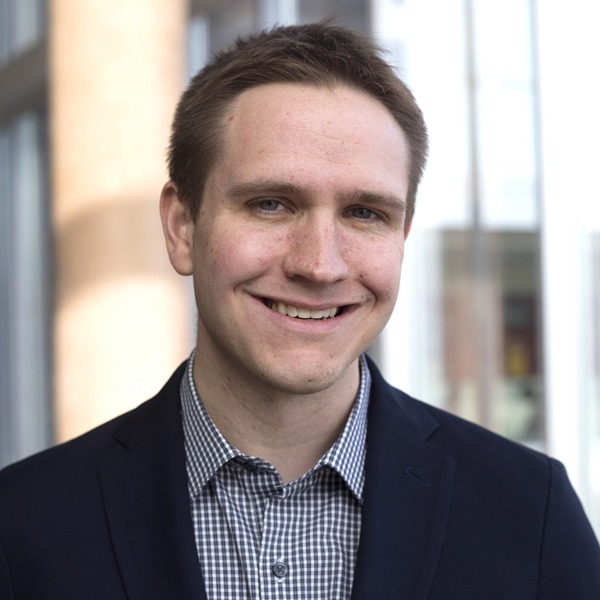
Dr. Benjamin Jorns is the co-founder and CEO of A3 Technologies, a spin-off from the University of Michigan specializes in fuel-flexible electric propulsion solutions. Dr. Jorns is also an associate professor in the Aerospace Engineering department at the University of Michigan where he oversees the Plasmadynamics and Electric Propulsion Laboratory. He is director of the USSF SSTI #3 institute, Space Power and Propulsion for Agility, Responsiveness, and Resilience (SPAR), that is dedicated to developing high-power, multimode space propulsion and space nuclear technologies.
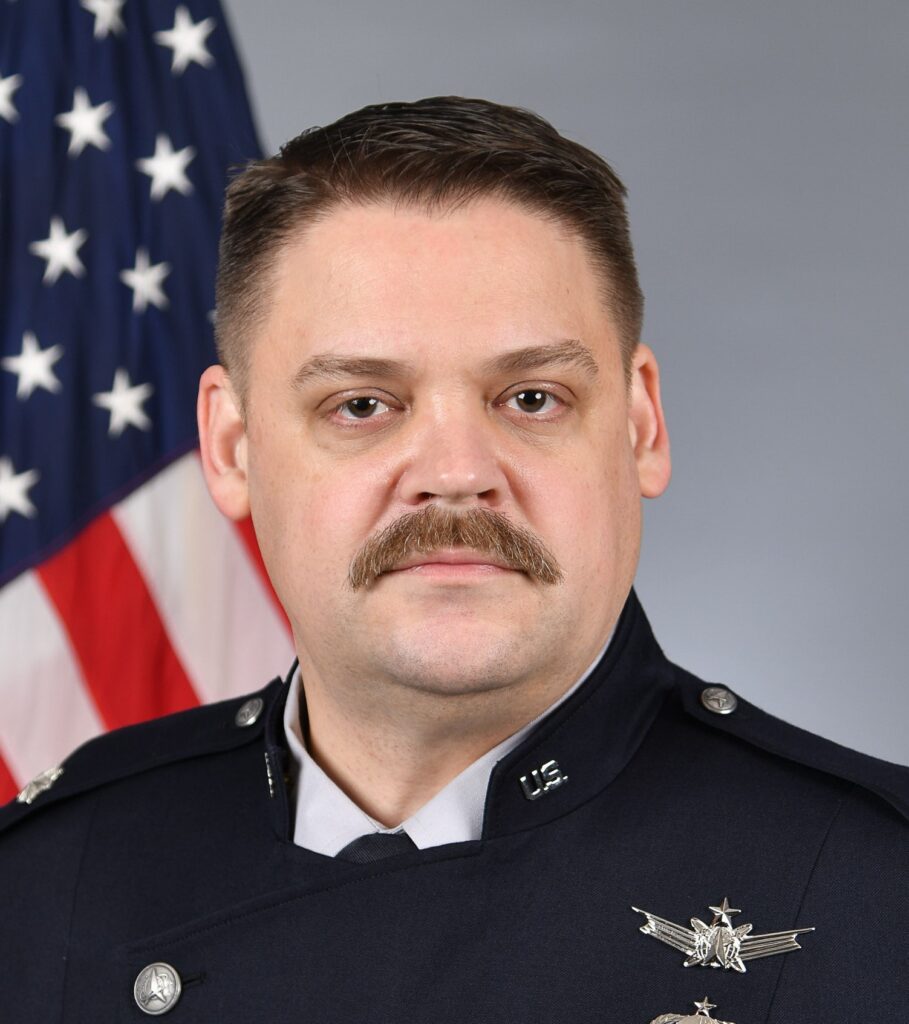
Lieutenant Colonel Brian A. Shimek is currently the Materiel Leader and Director, Department of Defense (DoD) Space Test Program (STP) at Kirtland AFB, NM. He leads a 63-member team responsible for maximizing space flight opportunities for DoD research & development missions.
A graduate of the University of Arizona, Lt Col Shimek first reported to Vandenberg AFB and became an instructor and evaluator of launch and range operations. He later joined space acquisitions the Air Force Research Laboratory, Space Vehicles Directorate, and Space Superiority Directorate of the Space and Missile Systems Center to running numerous development projects for autonomous satellite systems, space situational awareness, command and control, and cyber technologies.
At the Headquarters of Air Force Space Command, he drove the development of long-range planning and resourcing for sensitive space programs. He also served as the Chief of Staff for the Joint Special Operations Air Component – Africa, Special Operations Command Africa, while deployed. In 2019, he was the Commander, Space Launch Delta 45, Detachment 1, Cape Canaveral Space Force Station, assuring mission support readiness and providing DoD, NASA, and commercial launch users critical resources to conduct national space activities.
Prior to his current assignment, he was the Operational Transition Branch Chief of the Space Rapid Capabilities Office, leading the coordination of the launch, testing, training and other mission support functions that are associated with delivering a $5 billion portfolio of space warfighting capabilities to operations.
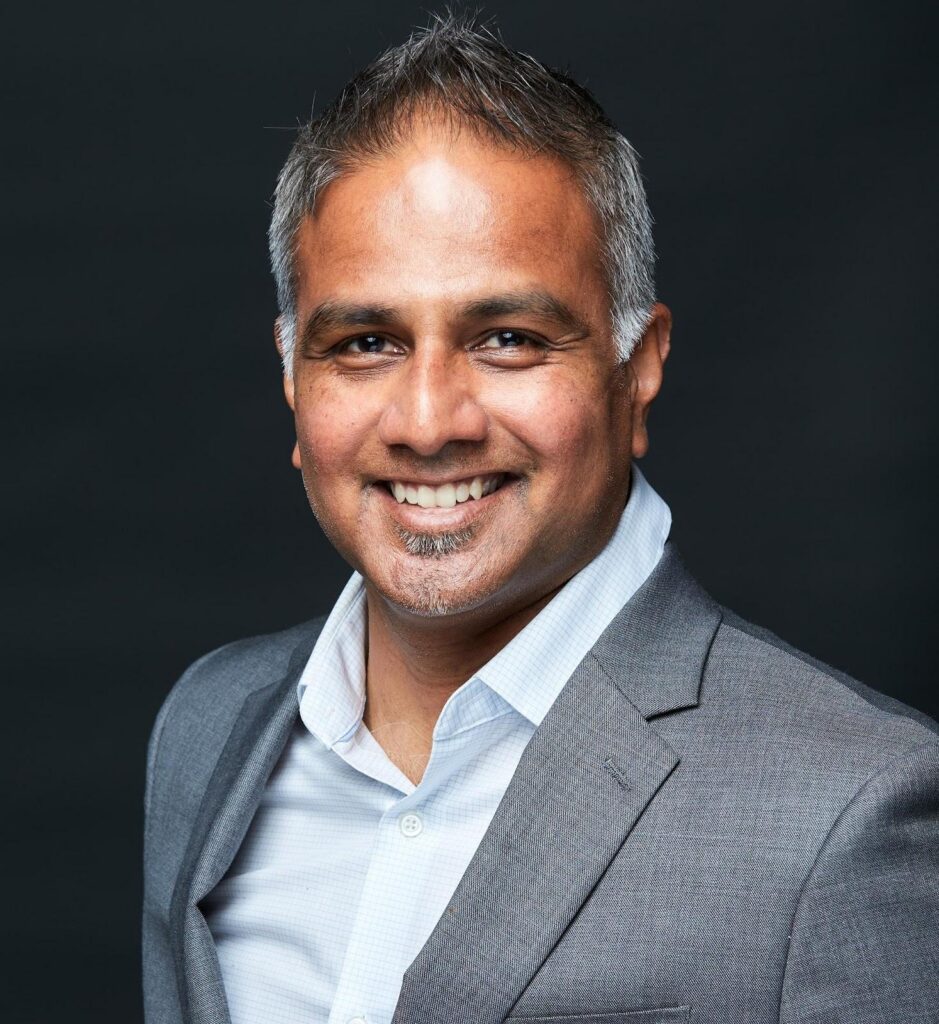
Chandra Raman is a physicist, inventor, and technology entrepreneur whose work is shaping the future of quantum sensing. He earned his Ph.D. in applied physics from the University of Michigan, completed postdoctoral research at MIT, and is now the Dunn Family Professor of Physics at the Georgia Institute of Technology. His research focuses on the behavior of atoms at ultralow temperatures and applies those insights to create exceptionally precise measurement technologies.
Raman is a coinventor of chip-scale atomic beam technology, a breakthrough enabling compact, robust quantum sensors for navigation and timing in GPS-denied environments, with applications spanning aerospace, autonomous systems, and national security. He founded 8Seven8, Inc., Georgia’s first quantum hardware startup, to bring these technologies from the lab to real-world deployment. His work has earned recognition as a Senior Member of the National Academy of Inventors and a Fellow of the American Physical Society, and he is a frequent advisor and speaker on national and space-based quantum initiatives.

Charlene Jacka, the Chief Engineer of SpaceWERX, is a visionary leader and a respected figure in the commercial exploration of national security space. Charlene’s expertise is rooted in leading complex initiatives that advance the future of United States Space Force. Previously, Charlene, served as System Director at The Aerospace Corporation, a prominent leader within the Commercial Space Futures (CSF) team and supported the Space Systems Command (SSC) Front Door, specializing in developing and advancing screening solutions for commercial space capabilities and services. Her expertise includes establishing critical capability need statements, bridging gaps, and fostering integration with the commercial space industry and investor community. Charlene actively collaborates with commercial space providers and technology experts, contributing thought leadership pieces in technical forums, enhancing industry knowledge, and nurturing valuable relationships. Her career highlights encompass pivotal roles such as the lead Test Engineer for the Commercially Hosted Infrared Payload, lead Systems Engineer for the Satellite for High Accuracy Radar Calibration Mission, and Branch Chief Engineer for the Small Satellite Portfolio. Charlene also served as the Project Arrangement Lead for the Micro-Satellite Military Utility, engaging with international defense departments and ministries with more than 10 other nations. Her multifaceted background positions her as a strategic thinker equipped to address intricate challenges within the space domain.

Charlie McGillis is a seasoned executive and veteran driving strategy, operations, and business development across national security space, supply chain, and cross-sector engagement. She is the Founder and CEO of 2 Polaris Beyond, LLC, and serves in a fractional capacity as Vice President, Public Sector at The Provenance Chain Network, advancing supply chain transparency and traceability. Charlie serves on the boards of Catalyst Campus for Technology Innovation and Zendir and is a partner at Elara Nova. She advises Little Place Labs, Lodestar Space, the Georgia Tech Space Research Institute, Beaten Zone Venture Partners Investment Committee, American Center for Manufacturing Innovation Group, TraCSS Independent Review Board for the Department of Commerce, Irregular Warfare Initiatives Project Air Power, and Creative Destruction Lab Space Sector, and is a member of the International Academy of Astronautics and serves on Commission 5 on Space Policies, Law and Economics.
Throughout her illustrious career, Charlie has held various high-profile positions, including Senior Vice President of Government Relations & Strategy at Slingshot Aerospace. With over 26 years in the United States Air Force, she retired as a Colonel, culminating her service as the Director of Intelligence at Fourteenth Air Force. Charlie is also a committed STEM advocate for girls as a member of AstraFeminia and an avid golfer.
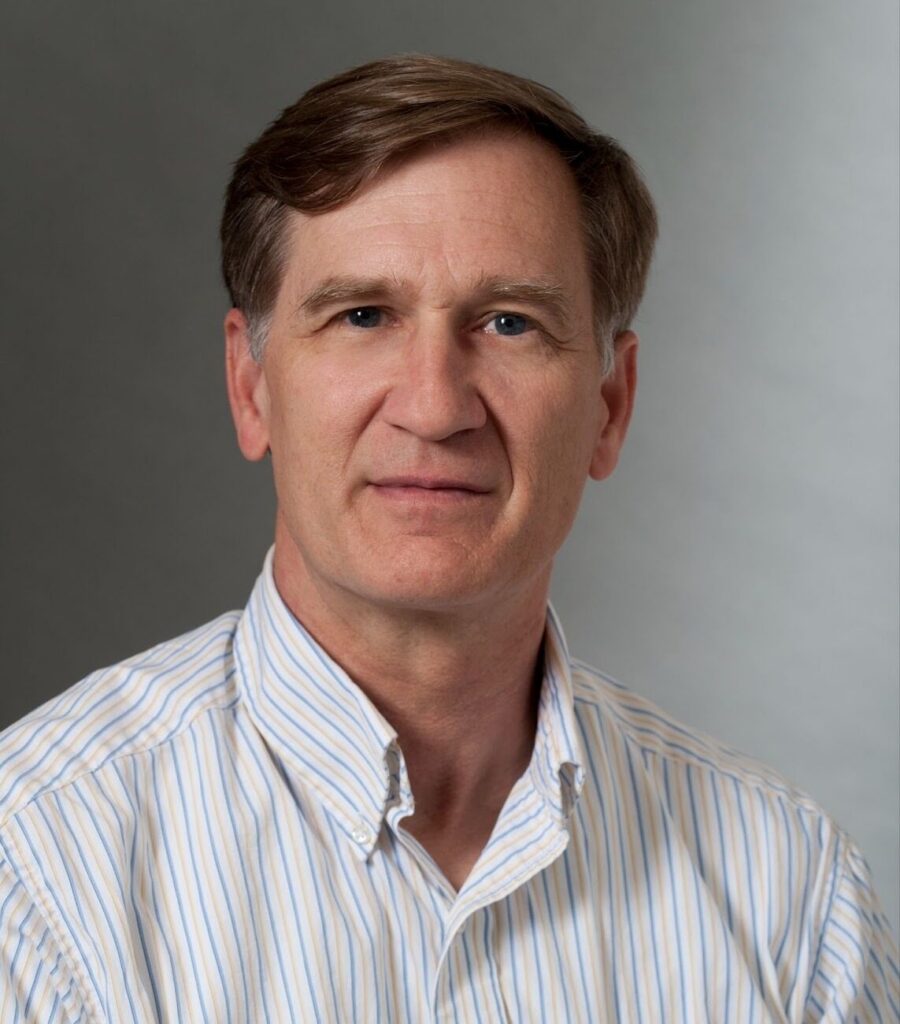
David Barnhart is a Research Professor in the Department of Astronautical Engineering at the University of Southern California (USC), Director and Co-Founder of the USC Space Engineering Research Center (SERC), and Co-Founder and CEO of Arkisys, Inc. His work spans advanced space architectures, rendezvous and proximity operations, and in-space servicing technologies, with a strong emphasis on transitioning research into operational and commercial outcomes. Through SERC’s “engineering teaching hospital” model, he has led the development and launch of multiple university satellites, supported hands-on training for hundreds of students, and helped translate patented university technologies into commercial ventures, including technologies featured by NASA aboard the International Space Station.
Previously, Dr. Barnhart served as a Senior Space Project Manager at DARPA, where he led major programs focused on next-generation spacecraft morphologies, space robotics, and in-space servicing, representing over $500M in active government investment. He has also co-founded and held leadership roles in multiple commercial space companies, including Millennium Space Systems (a Boeing company) and Vanguard Space. Earlier in his career, he spent over a decade at the Air Force Research Laboratory supporting pioneering work in small satellites, propulsion systems, and RPO missions. Dr. Barnhart has published extensively, holds multiple patents, serves on industry and academic oversight boards, and is a Senior Member of the National Academy of Inventors, bringing a rare blend of academic, government, and startup experience.
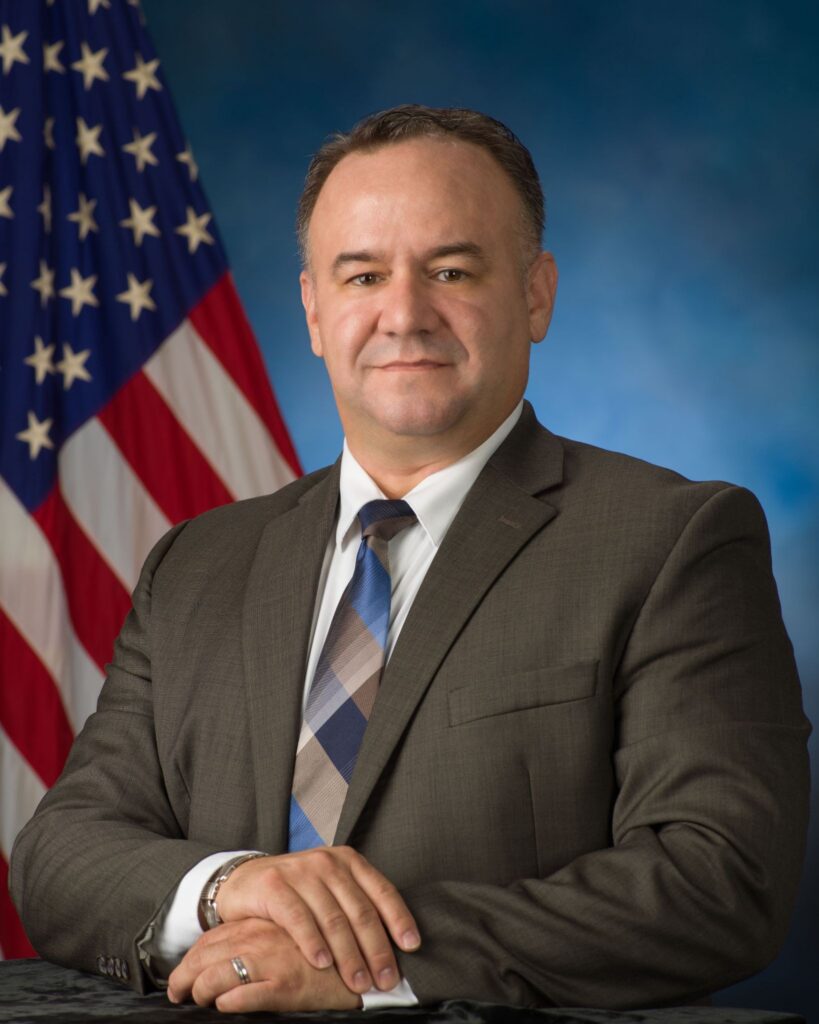
Dr. Callaway serves as Chief of New Mission Development for the Department of War Space Test Program, DoW Human Space Flight Payloads Office. He leads efforts to expand department research access to human-rated spaceflight platforms, including the International Space Station (ISS) and Artemis program missions.
As a subject matter expert in space experimentation, Dr. Callaway supports agencies across the DoW and serves as an interagency representative, advancing collaborative research initiatives in human spaceflight environments. He is currently leading STP efforts to leverage emerging commercial Low Earth Orbit (LEO) destinations in a post ISS environment for DoW research capabilities.
Dr. Callaway received his B.S. in Engineering Physics from Embry-Riddle Aeronautical University, FL, and an M.S. and PhD in Aeronautical Engineering from the Air Force Institute of Technology.

Eric Felt is a space technology strategist with 20+ years of defense aerospace experience, leading laboratory, program office, and Pentagon organizations to transition emerging technologies into operational space capabilities. Felt is an expert in systems engineering, architecture, operations analysis, and portfolio and budget management, with a proven track record securing funding and delivering impact across space control, communications, PNT, remote sensing/GEOINT, and space mobility. He is also retired from the U.S. Space Force in May 2025 as Director of Systems Engineering for Space Acquisition and Integration (SAF/SQ), with prior leadership as Director of the AFRL Space Vehicles Directorate; now advising private equity, space startups, defense contractors, and think tanks as an independent space technology strategist.
Eric Lam is the Collaboration Director for the Midwest Network of the Strategic Partnership Directorate at the Air Force Research Laboratory (AFRL), based in West Lafayette, Indiana. In this role, he leads a 1400+ member network focused on advancing research in four critical technical areas: energetics, hypersonics, microelectronics, and space domain awareness. His efforts span collaboration with organizations across industry, academia, government, and the non-profit sector.
Mr. Lam brings a diverse background in research and development, operations, and technical leadership. He has successfully led multidisciplinary teams delivering capabilities for multi-agency missions, with expertise in electronic devices, materials science, trusted computing, information technology, sensors, artificial intelligence/machine learning, and radiation effects. He has also served as a technical recruiter and team supervisor, applying his multidisciplinary expertise to identify talent, build high-performing teams, and mentor personnel across diverse technical domains.
He played a pivotal role in defining the cyber-physical fused sensing strategy for AFRL, initiating the Cyber-Physical Sensing “Core Competency,” and founding the Cyber-Physical Sensing Working Group in 2021 to foster collaboration across government, academia, and industry. In 2022, he led the development of the Cyber Physical Sensing Certificate program at the Air Force Institute of Technology. He has also contributed to strategic guidance and investment planning within the intelligence community, with a vision centered on dispersed, proliferated, and networked sensing. Mr. Lam has served in the U.S. Air Force for 22 years, including a deployment to Iraq and multiple assignments in science and technology roles.
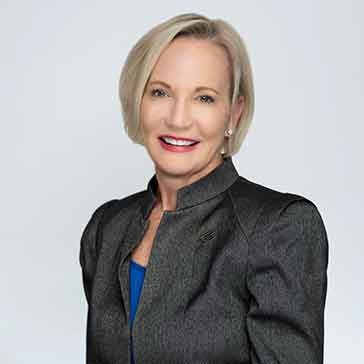
Gwen Griffin of Kemah is the chief executive officer of the Griffin Communications Group, a 30-year national strategic communications and marketing firm serving the aerospace and technology industries. She is a member of the Space Center Houston Board of Directors, a trustee of the Astronaut Scholarship Foundation, and member of the College of Sciences Dean’s Advisory Board at the University of Central Florida. Griffin received a Bachelor of Arts in Journalism from the University of Central Florida.
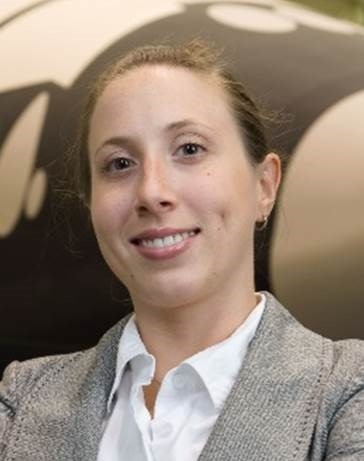
Janice Makinen serves as an International Space Station Research Portfolio Manager in the Research Integration Office at NASA Johnson Space Center. In this role, she enables payload developers to utilize the International Space Station to demonstrate technologies and perform science. During her 19 year career at NASA, she has served as the Orion Assistant Chief Engineer, Orion Crew Module active thermal control subsystem manager, exploration space suit life support thermal system manager, and technology development engineer and analyst. Janice earned her Bachelor of Science in biomedical engineering from Case Western Reserve University in Cleveland, Ohio and her Master of Science in Systems Engineering from the University of Houston, Clear Lake.
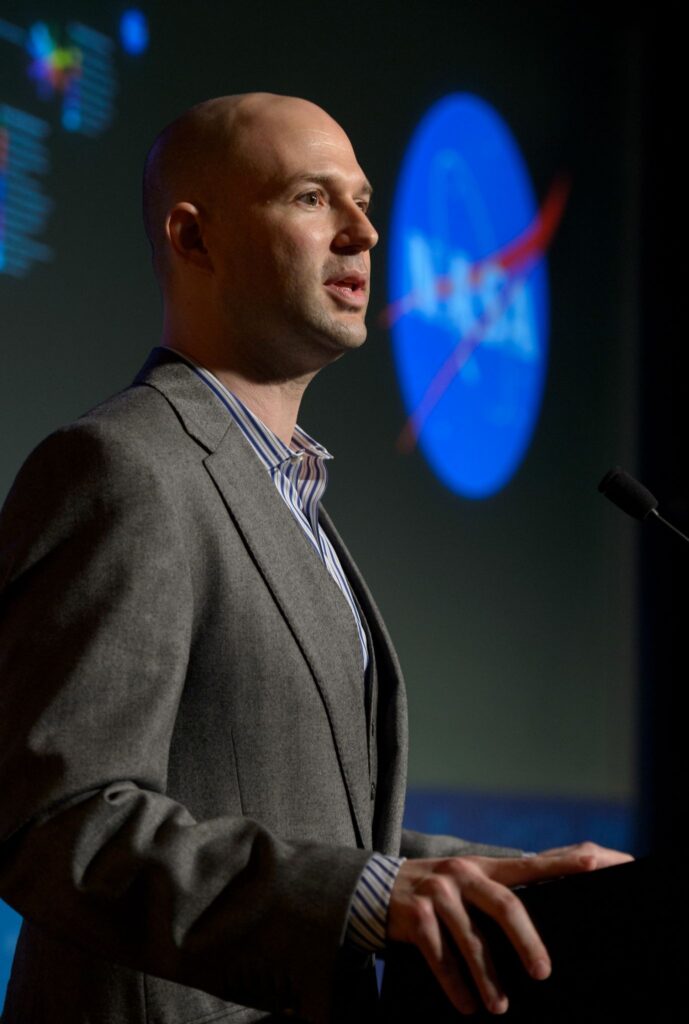
Program Executive, NASA Small Business Innovation Research (SBIR) & Small Business Technology Transfer (STTR) Programs.
Jason Kessler provides executive leadership and strategic oversight for NASA’s SBIR and STTR programs, which invest more than $200 million annually in early-stage innovation. Each year, these programs select over 550 technology projects, partnering with more than 300 U.S. small businesses and entrepreneurs to advance capabilities critical to the nation’s space enterprise.
Before returning to NASA for his third tour, Jason served as a Senior Advisor to the Global Knowledge Initiative (GKI), where he blended strategy, design, facilitation, and coaching to create systems-focused learning experiences aimed at expanding the impact of science and technology in the developing world.
Jason has spent over 15 years at NASA, including service from 2013 to 2016 as a Program Executive in the Office of the Chief Technologist. Outside of government, he has also founded and led several entrepreneurial ventures as a consultant and business owner.
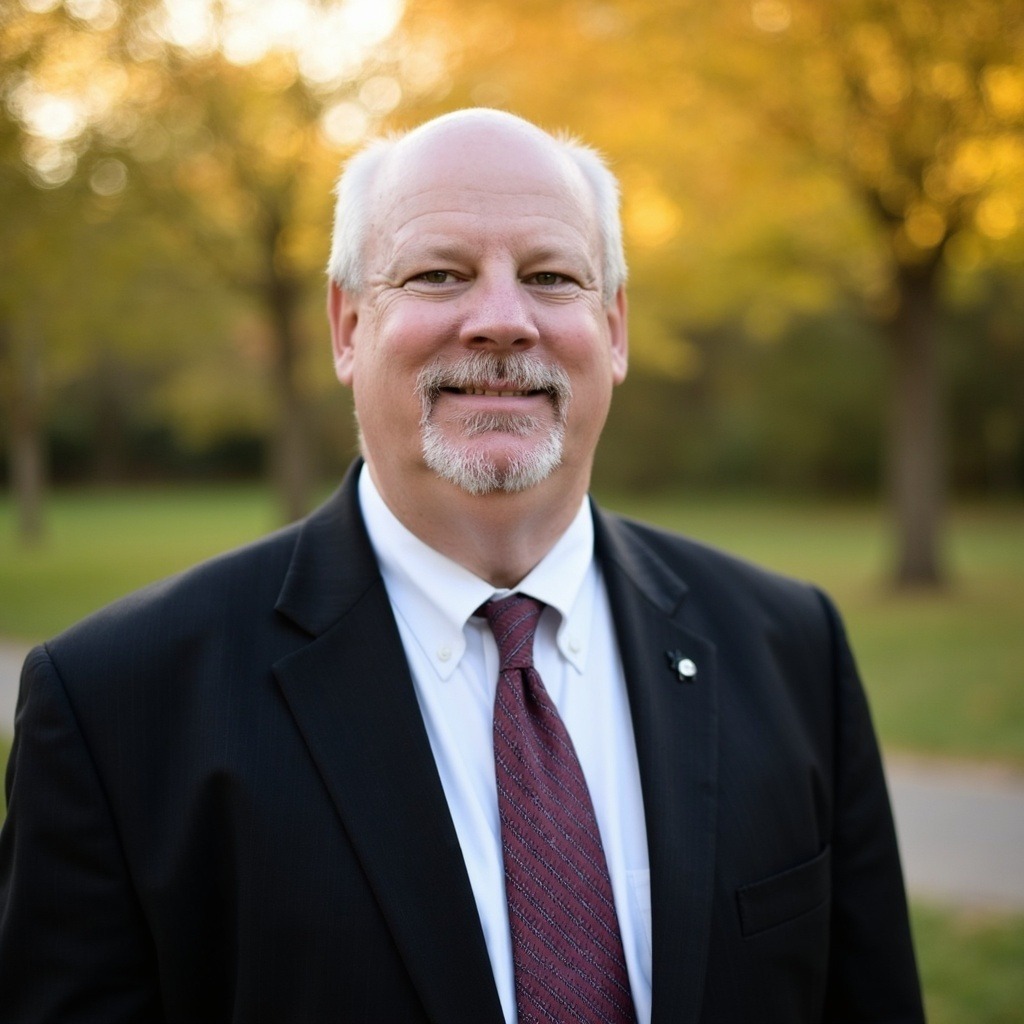
Dr. Joel B. Mozer was the inaugural Chief Scientist of the United States Space Force. From the service’s start in December 2019 until the end of 2023, he was the key leader for all science and technology issues in a service with 16,000 space professionals worldwide and a global network of satellite command and control, communications, missile warning, and launch facilities. Currently, Dr. Mozer works as a futurist and strategy developer at the nonprofit Mind Set (501(c)(3)). He assists organizations in making decisions today by analyzing future trends and disruptions.
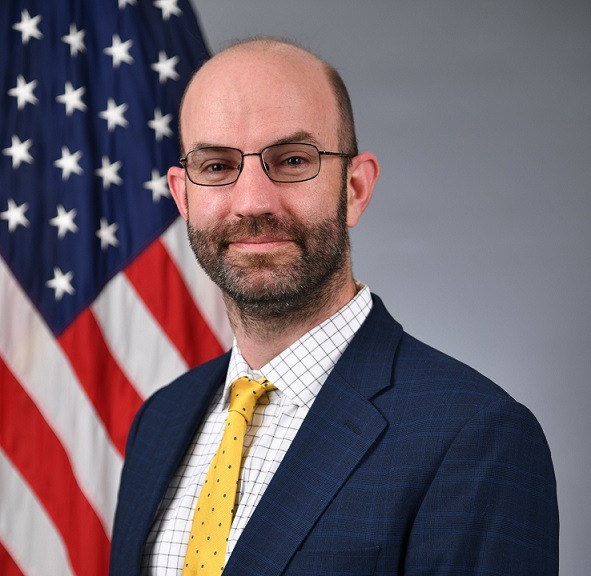
Joshua Carlson is a Space Force Civilian that is currently serving as the USSF University Consortium Program Manager. The USSF University Consortium is a USSF partnership program focused on partnering with teams of universities to develop revolutionary technologies and seek to transition them into operations. Before his current job, Josh did three years of career broadening in software development, and before that worked at Space Systems Command in acquisitions, working on rockets, space superiority, the Space Based Infrared System and others. He currently lives in Albuquerque, NM with his family.
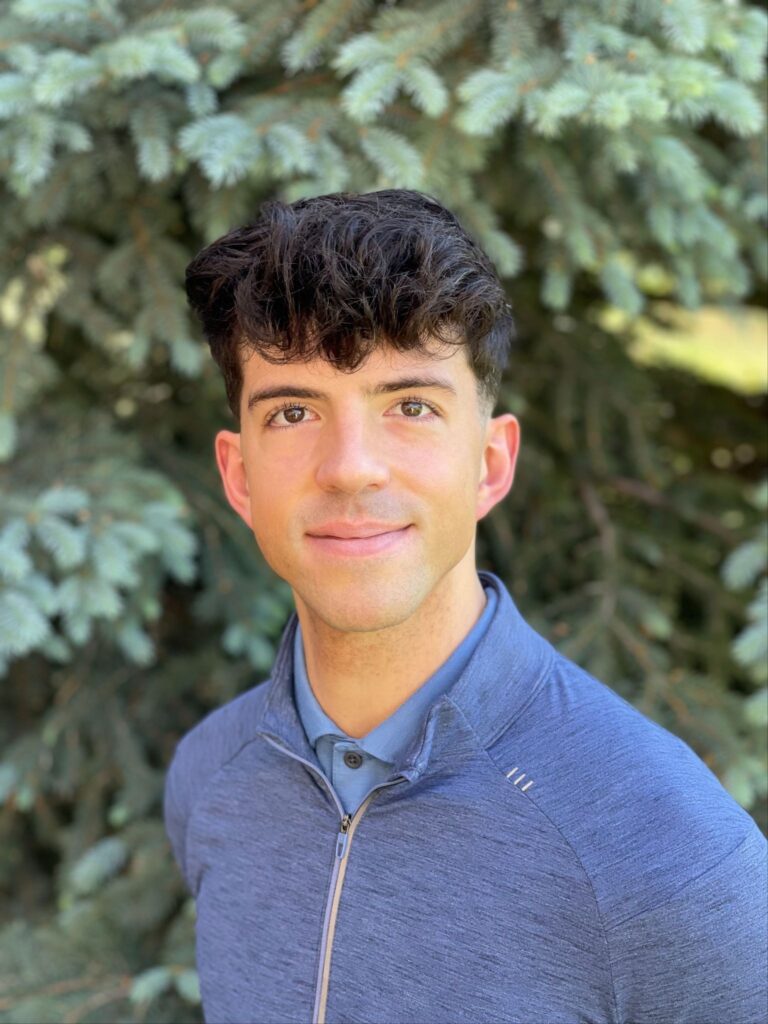
In his role at Advanced Space, Karl works with technical and business development teams to identify customer needs and develop and propose solutions to drive new business and explore new markets. He has worked with numerous university partners to leverage expertise across academia to formulate solutions to difficult technical challenges. He also leads technical programs, working with technical leads to find innovative approaches and respond to technical gaps and works with company leadership to identify program needs and areas for future development within our existing market. He received his ME from the University of Colorado, Boulder in December, 2025.

Katherine Larson is an applications software developer at Mind Set, where she focuses on building digital tools at the intersection of software engineering and human-machine collaboration. She has experience developing collaborative web tools and mobile applications, incorporating machine learning and emerging technologies.
She’s passionate about exploring how new and expanding technologies can reshape the strategic foresight planning process. Katherine studied Computer Science at UCLA.
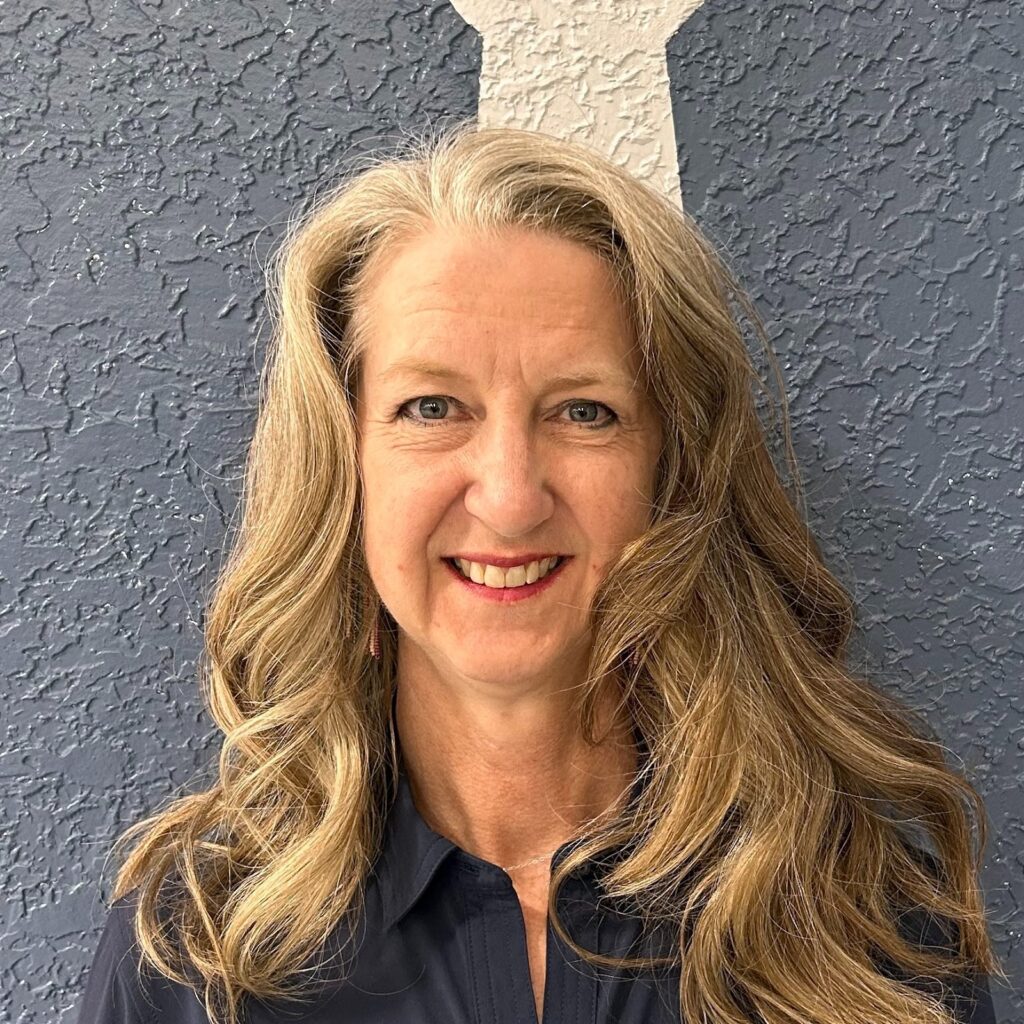
Kathy Steen is the Innovation Program Manager for the Pathways to the Stars program at NewSpace Nexus and serves as New Mexico’s primary workforce development liaison for high-tech employers. She is responsible for the strategic execution of industry-driven solutions that address the state’s skilled labor shortage in the technology sector.
With extensive experience in business ownership, startup incubation, and workforce initiatives, Kathy has played a key role in supporting AFRL NM Tech Engagement programs, including the Hyperspace Challenge and AFRL Scholars. Her leadership drives impactful workforce solutions, fostering innovation and talent growth within New Mexico’s tech ecosystem.
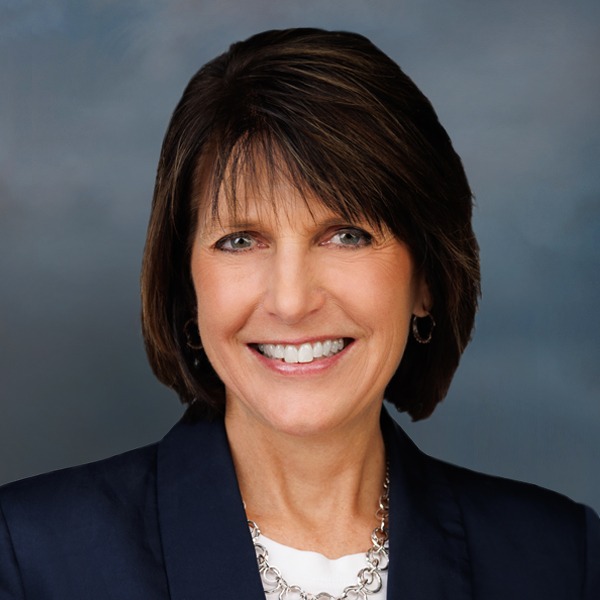
Kim Crider is a Founding Partner of Elara Nova. She brings more than 35 years of experience managing multibillion-dollar global operations and technology programs in space, aerospace, cybersecurity, IT, data, and AI to the core team.
A recently retired U.S. Air Force (USAF) Major General, Crider was the first Chief Technology and Innovation Officer for the newly established U. S. Space Force (USSF) where she oversaw a $2.5B Space Science & Technology portfolio and directed a $750M digital services and cybersecurity portfolio to advance the $15B global military space enterprise for 16,000 personnel. Prior to that, Crider was the Air Force Chief Data Officer, a first in the DoD, where she led the implementation of a $100M enterprise data management portfolio to assure availability of operational and business data to over 850,000 military, civilian and contract users across the Department of the Air Force’s $126B enterprise, and established a strategy for enterprise data management that has seminally influenced other DoD level data strategies and initiatives.
Crider regularly advises US Political Appointees, Service Secretaries, Military Service Chiefs, and Civil Agency leaders, as well as international military, civilian and industry leaders, on the strategic use of technology to achieve competitive advantage. She has extensive international experience having served in Europe, Australia, Asia-Pacific and the Middle East, and has been a seminal leader in global space, air and cyberspace operations, coalition and NATO command, control, intelligence, surveillance and reconnaissance, and international information sharing. She built and led two multimillion-dollar specialty consulting firms focused on IT/data strategy, cybersecurity, and digital services in the education, architecture & engineering, financial services and health technology sectors. A senior engineer at the MITRE Corporation for over 15 years, Crider led the engineering for global enterprise networks, cybersecurity, and advanced surveillance radar systems across the DoD and Homeland Security.
Crider earned a B.S. in Electrical Engineering from Duke University, an M.B.A. from Western New England University, and a Graduate certificate degree in Organizational Behavior from Harvard University. She graduated with distinction from the USAF Air Command and Staff College and the National Defense University Industrial College of the Armed Forces and has been an executive fellow at the Kennedy School of Government at Harvard University and the University of Tennessee.

KiMar Gartman began supporting the Department of Defense in 2016 as program manager offering partnership intermediary support to the AFCyberworx program. In 2018, she took over directorship of the Catalyst Accelerator and grew the program through 2024. Returning to the Accelerator in 2025 as founder of KiMar’s Business Consulting, KiMar revamped the Accelerator’s business development curriculum. She now facilitates that curriculum and writes the market research reports that help small businesses to better navigate the defense sector.
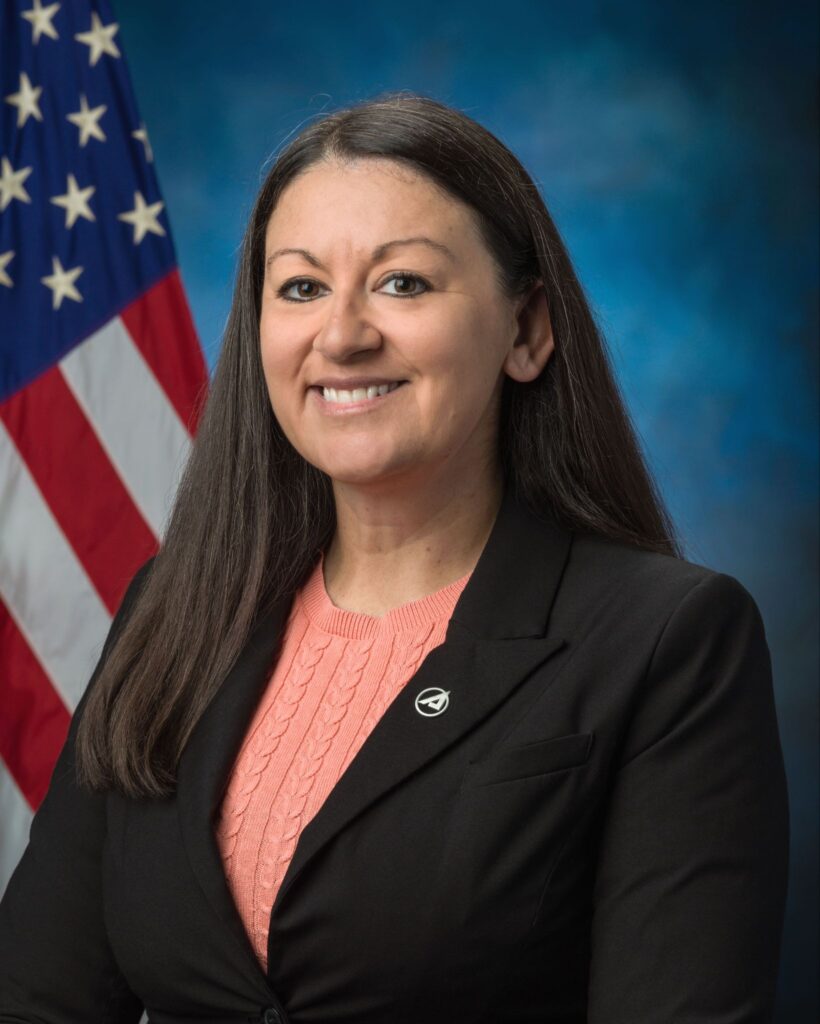
Dr. Kristine Ferrone Waller is Associate Systems Director at The Aerospace Corporation supporting the United States Space Force (USSF) Human Spaceflight Payloads Office at NASA Johnson Space Center designing, building, integrating, testing, and flying payloads for the International Space Station (ISS) and free-flying satellites. She has also served as the radiation physicist for several NASA, U.S. Air Force, and internal research and development projects ranging from space nuclear power applications and planetary regolith for spacecraft shielding to advanced concepts for radiation-hardened batteries for deep space missions.
Dr. Waller is also an Adjunct Professor at the University of Houston Clear Lake teaching a course she developed entitled Humans in Space, and she speaks as a guest lecturer for the International Space University on space radiation effects to astronauts. She received her Ph.D. in Radiation Physics from the University of Texas MD Anderson Cancer Center.
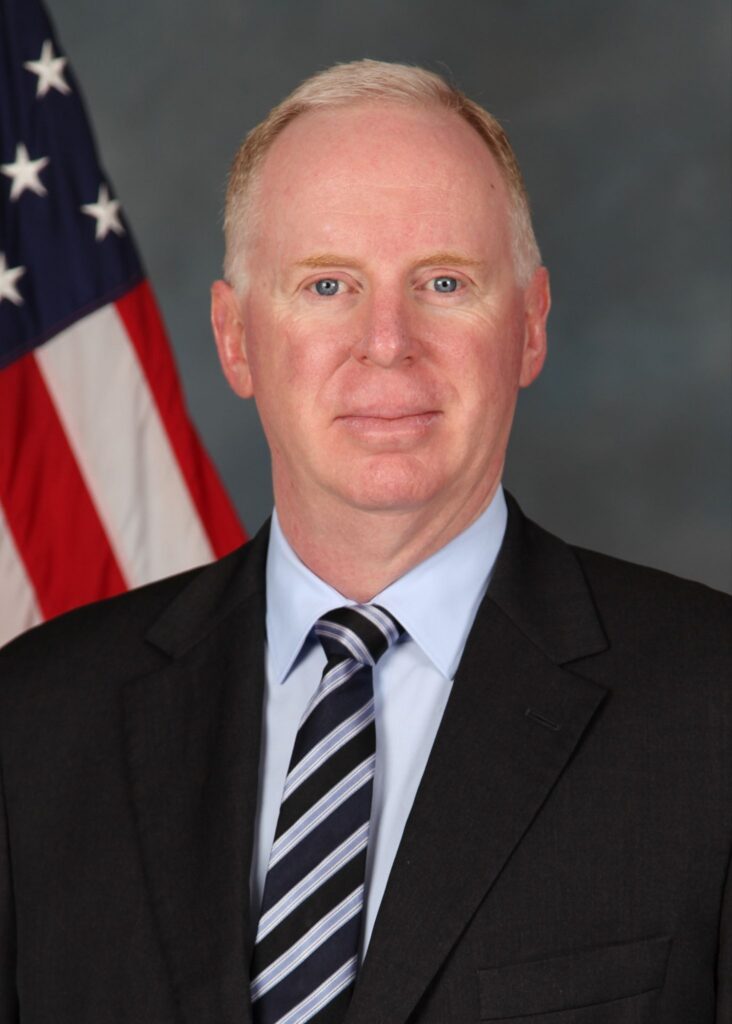
Dr. Lawrence M. “Robbie” Robertson, III, is a member of the scientific and technical cadre of senior executives, and the Lead Space Experimentalist, Air Force Research Laboratory (AFRL), Air Force Materiel Command, Kirtland Air Force Base (AFB), New Mexico. Dr. Robertson serves as the principal scientific authority and independent researcher in the field of space satellite systems, integrates state-of-the-art scientific advances with military technology requirements and guides space experimentation research and development efforts across the AFRL enterprise.
Dr. Robertson began his career as a consultant to Teledesic Corporation and worked as a Member of Technical Staff at SVS Inc and Nichols Research – both small high-tech companies – before joining the AFRL.
He joined the AFRL in 1998 and has contributed to a wide range of technologies in space and directed energy. Robbie’s first position was the Beam Control Lead for the highly successful Airborne Laser Advanced Concept Testbed highlighted in the September 5, 2000 front-page article in the Wall Street Journal. He has been a leader in science and technology transition supporting Space Control, Space Intelligence, Surveillance and Reconnaissance, and Space Command and Control.
Dr. Robertson has published over 40 papers in national and international journals or conferences and has one US patent. He has also served as an advisor to several national committees including one AF Scientific Advisory Board position.
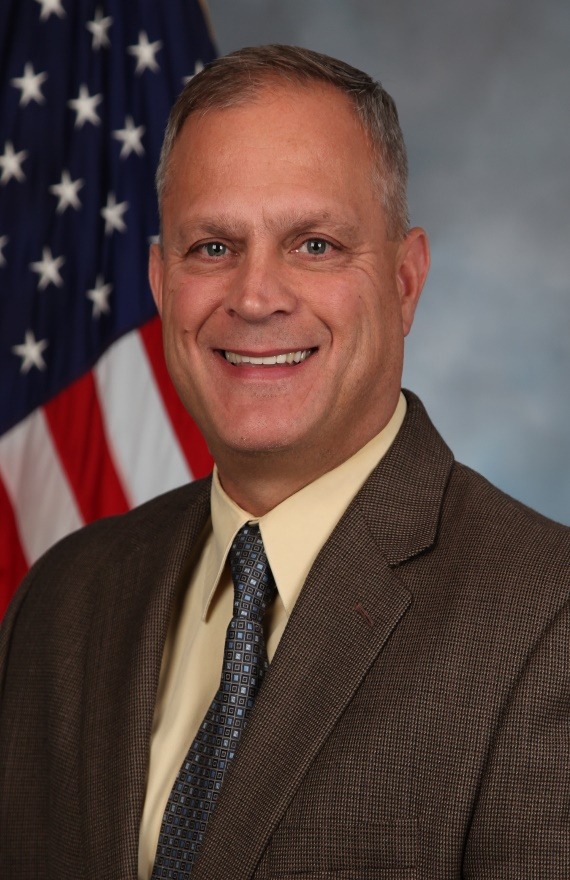
Mr. Webb serves as the Chief, Mission Design for the Space Test Program (STP), headquartered at Kirtland AFB, NM. In this capacity, he supports STP’s mission as the primary Department of War’s (DoW) agent for demonstrating emerging technologies in space. His work is central to accelerating the development of war-winning space capabilities by providing cost-effective access to space for Research and Development (R&D) and Science and Technology (S&T) experiments.
Mr. Webb brings extensive expertise to the space enterprise, with a career spanning over four decades of dedicated military and civilian service. Currently serving as a Civilian Program Manager for the Department of the Air Force, he manages and supports space access solutions for Science & Technology (S&T) experiments and prototypes across the DoW, U.S. Government, and Intelligence Community. Prior to his civilian career, Mr. Webb served as a Commissioned Officer in the United States Air Force, working as a Program Manager for 16 years before retiring in 2009 with 21 years of total military service. He began his military career as a Commissioned Officer in the United States Marine Corps, where he was assigned to the 2nd Assault Amphibian Battalion, 2nd Marine Division at Camp Lejeune, NC.
Prior to his current role, Mr. Webb held several high-impact positions within the Department of War space community. As the Lead for the DoW Space Experiment Review Board (SERB), he directed the evaluation and prioritization of critical national security space experiments. He subsequently served as the Lead for U.S. & International Rideshare, where he managed collaborative launch operations to maximize orbital access for S&T experiments across the DoW, Intelligence Community, interagency partners, and allied nations. In this capacity, he spearheaded the USSF’s international space access framework and established the Internal Space Access Review Board (ISARB). Additionally, his extensive operational support experience includes training the 1st Space Operations Squadron to operate the Operationally Responsive Space-1 (ORS-1) mission in support of Space & Missile Systems Center (SMC) Detachment 12.

Maria Berishaj serves as the Head of Science at Kall Morris Inc (KMI), where she leads the integration of advanced mathematics and orbital mechanics for the mission planning and software development of the Laelaps servicer spacecraft. This mission features REACCH, an ISS-tested end effector prototype licensed from the University of Southern California (USC). Maria earned her M.S. in Mathematics from Wayne State University and supports strategy, technical, and local regional outcomes for KMI.
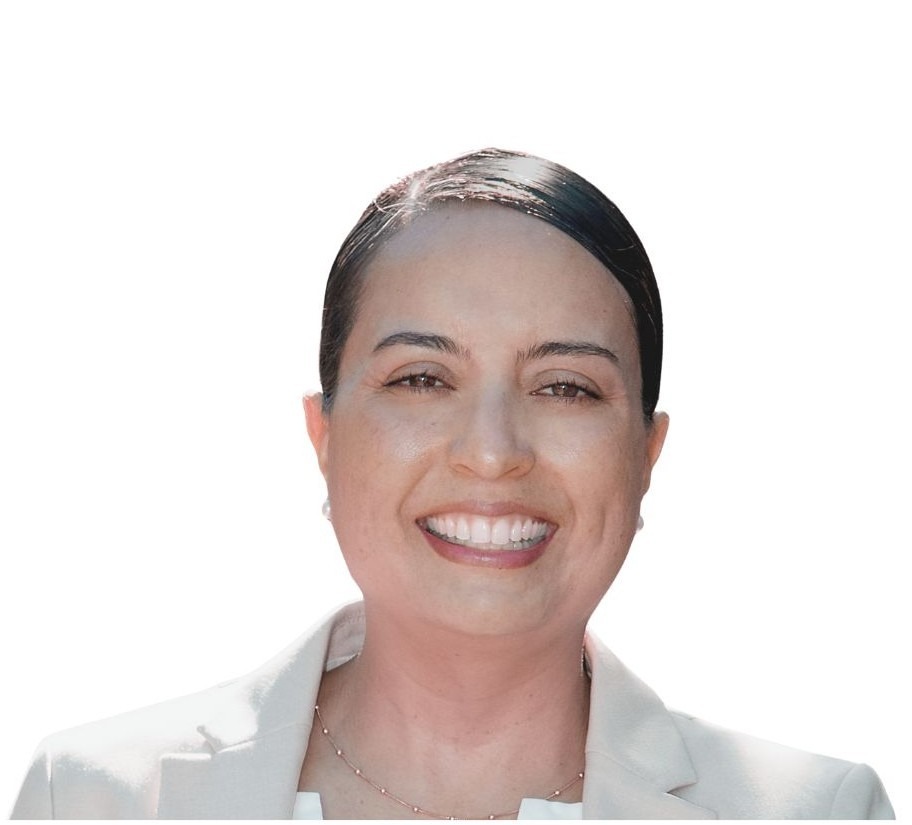
Myrriah Tomar is the Director for Innovation and Commercialization at the University of North Texas, where she bridges the gap between academic discovery and market-ready innovation. With over a decade of leadership spanning startups, state government, and higher education, she provides the multi-sector perspective necessary to align early-stage research with industry needs. Myrriah specializes in identifying technologies with high commercial potential and navigating the complex transition from lab to market. By prioritizing intentional listening and strategic translation, she ensures university-born ideas become the foundation for successful industry partnerships and scalable real-world impact.
Mr. Nackieb (“Nick”) Kamin serves as the Technical Director at the Headquarters Space Force Science, Technology and Research Directorate in Washington, DC. In this role, he develops long-term military requirements for the Space Force and interacts with other principals, operational commanders, combatant commands, acquisition, and international communities to address cross-organizational science and technical issues and solutions. He represents U.S. Space Force science and technology on decisions, high-level planning, and policy, building coalitions and alliances throughout the U.S. government, industry, academia, the international community, and other scientific and technology organizations. He also advises Space Force’s Chief Science Officer in space research and development strategies. Mr. Kamin also served as the AFRL/AFOSR Space Science Architect during 2024-25; and Space Force Chief Science Officer (Acting) during December 2023 – June 2024.
Mr. Kamin joined the Space and Naval Warfare Systems Center as research scientist in 1997. During the last twentyseven years Mr. Kamin held several positions including management and execution of research and development, information technology, systems engineering, acquisition programs, business development, and supervisory and management. He also served as a member to the U.S. Indo-Pacific Command Science and Technology Advisory Board.
Prior to his current position, he served as a Technical Manager at the Joint Artificial Intelligence Center, Department of Defense Chief Information Officer; and as a Program Officer at the Office of Naval Research where he was responsible for managing artificial intelligence research and development programs. Mr. Kamin holds twenty-two awarded patents and published over thirty technical papers.

Nicole is the External Engagement Lead serving on the Technology Planning & Execution team under Lockheed Martin Space, Ignite. She started this position in June 2022 and is responsible for managing and tracking the external engagement portfolio, to include research partnerships with educational institutions. She chairs the University Engagement Council for Lockheed Martin Space. Additionally, Nicole acts as the strategic workforce planning lead and oversees the training and knowledge continuity strategy for the Ignite organization.
Prior to her current role, Nicole most recently served as the Workforce Strategy and Engagements Manager for the Business Innovation, Transformation, and Enterprise Excellence (BITEE) functional organization under Lockheed Martin Space. She was responsible for shaping the holistic workforce strategy with focus areas spanning workforce planning tool implementation, priority staffing, employee retention and engagement, recognition and rewards, critical skills development, performance and feedback, and internal customer assessments.
Nicole has been with Lockheed Martin for 17 years, starting her career as an Engineering Intern and then a Systems Engineer supporting multiple classified programs, focusing on Mission Engineering & Operations. Throughout her career, she has served various stretch assignments with Stakeholder Engagement, Talent Acquisition, and Workforce Staffing teams.
Nicole holds a BS in Aerospace Engineering, MS in Aerospace Engineering (with emphasis in Astrodynamics and Satellite Navigation), and MS in Organizational Leadership all from the University of Colorado Boulder.
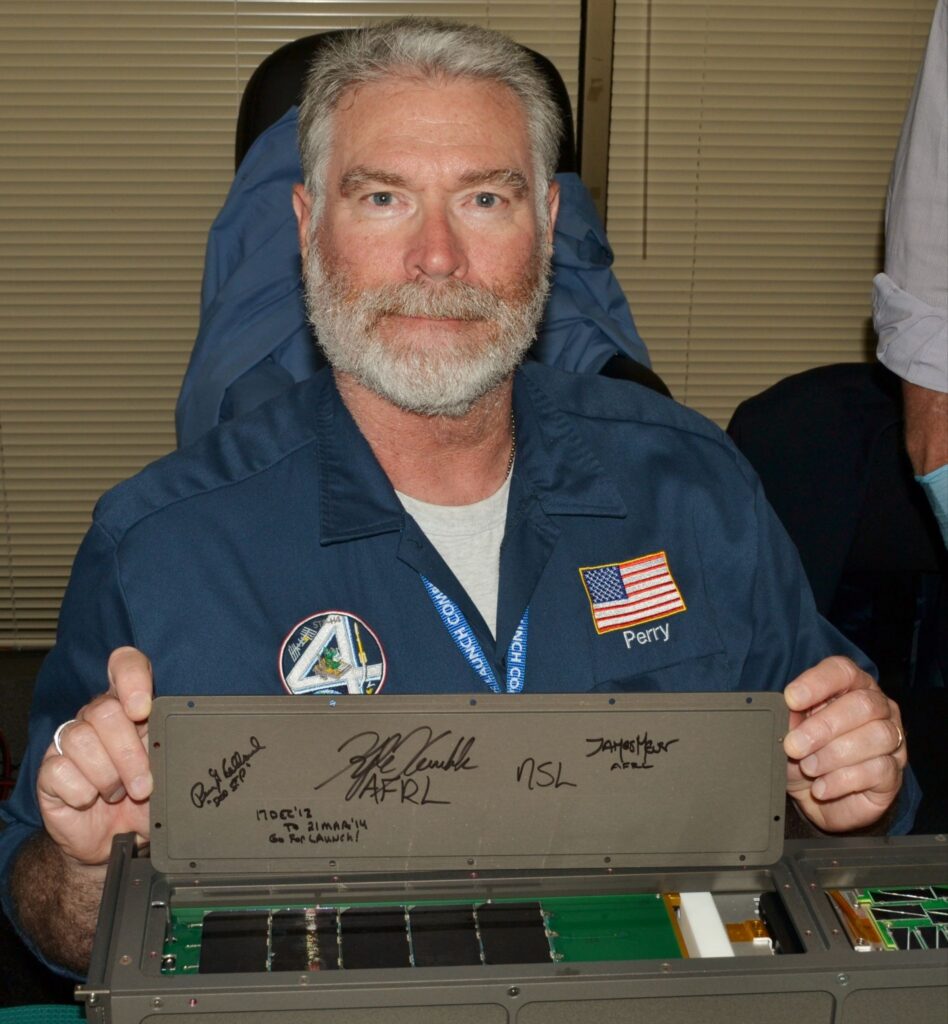
Dr Perry Ballard is a Subject Matter Expert with 40 plus years of payload integration and spacecraft development. All launch systems from Delta to Falcon 9, Human spaceflight experience from Space Shuttle to ISS, Cubesat launch for all sizes and deployers currently in use. Supporting DOD Space Test Program for 30+ including time as Acting Program Manager of the Program. Assisted the Defense Intelligence Agency Deputy Director for Intelligence Operations resource planning and was technical resource authority for development and justification of DOD Intelligence programs. Advised the 90th Strategic Missile Wing Director of Maintenance on all engineering issues related to maintenance of Minuteman III and Peacekeeper ICBMs. Provided guidance to ICBM technicians on matters outside normal maintenance procedures.
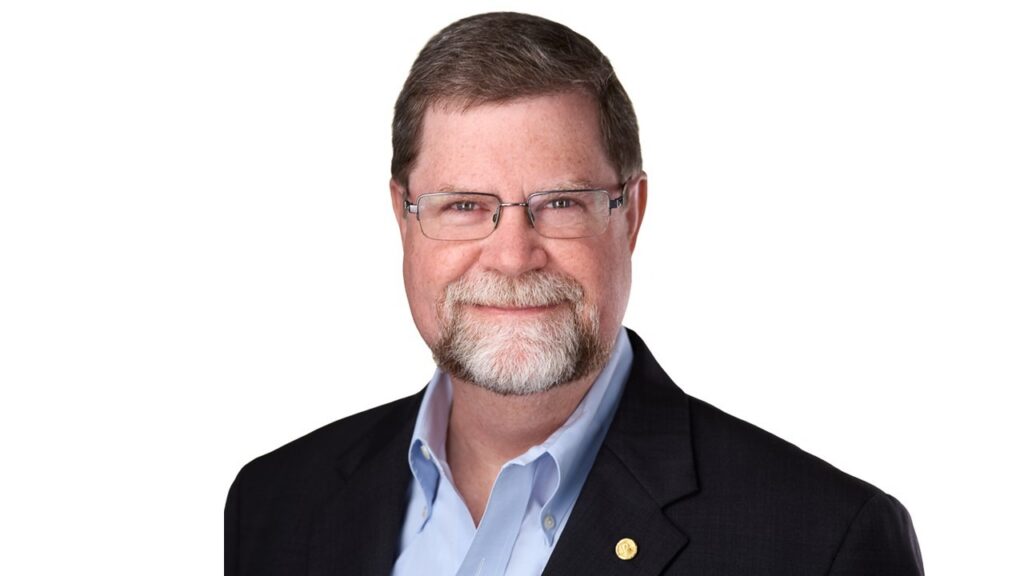
Dr. Robert Ambrose has had a 30-year career spanning work in academia, industry, and the government, with demonstrated technical abilities, organizational leadership, and partnership skills for directing an innovative technical and scientific program. Rob retired from NASA JSC in 2021 as the Division Chief for the Software, Robotics and Simulation Division.
He transitioned to the Texas A&M University system where he serves as the Texas Engineering Experiment Station (TEES) Associate Agency Director and Project Office Director for Space, Strategic Advanced Research Unit and the Texas A&M Space Institute Associate Director.

Scott is an experienced leader in higher education and advancing research with industry partners. As the Associate Director for the Space Science and Technology (NewSpace) Initiative, his career spans growth roles leading research enterprises and academic partnerships across government, industry, and universities. He also serves as Managing Director of ASU Research Enterprise, a separate nonprofit focused on applied research and technology transition in support of Arizona State University. Grounding his work in a foundation of financial strategy and planning, Scott has built his career developing funded academic research planning and cultivating an institutional faculty and leadership network that bridges academia, industry, and government.
Actively developing capture strategies with faculty and industry, he has supported pursuits for significant federal funding, including over $100 million in proposals and $18 million in awards in FY 2026. He is skilled in building relationships, advancing entrepreneurial research operations, ensuring compliance with government contracting, and delivering measurable outcomes.
Scott holds a bachelor’s degree in accounting.

Sean McSherry is the Director of Product Development at Heat2Power Inc. in Ann Arbor, Michigan, where he leads efforts in the design, scale-up, and characterization of Air-Bridge Thermophotovoltaic (AB-TPV) cells.
He began working on the AB-TPV technology during his Ph.D. at the University of Michigan and now oversees its transition from laboratory-scale demonstrations to manufacturable, large-area devices. Sean and his team have successfully scaled AB-TPV cells beyond the 1-cm scale and are continuing to drive innovations that address the material, process, and yield challenges associated with high-volume production.
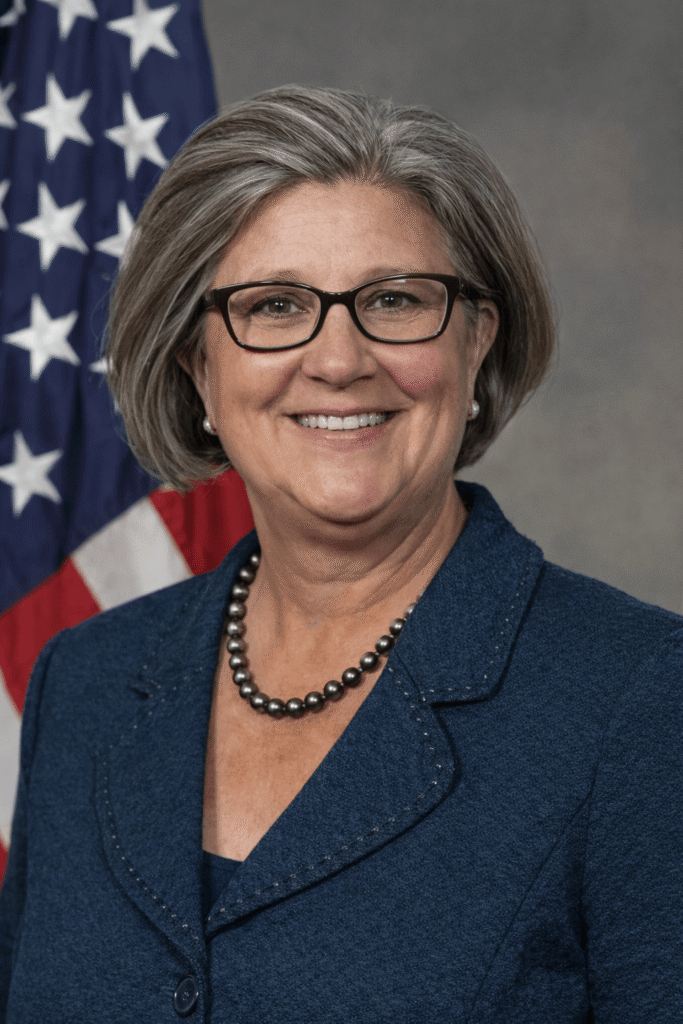
Dr. Stacie Williams, a Senior Level executive, is the Chief Science Officer of the United States Space Force (USSF). She serves as the central lead for all science and technology matters for an organization that comprises approximately 14,000 space professionals worldwide. In this role, she develops long-term military requirements for the USSF and interacts with other principals, operational commanders, combatant commands, acquisition organizations, and international communities to address cross-organizational science and technical issues and solutions. Dr. Williams represents the USSF science and technology community across the U.S. government, industry, academia, the international community, and other scientific and technology organizations.
Dr. Williams joins Headquarters, USSF from the Air Force Research Laboratory (AFRL), where she was the Space Science Architect for the Air Force Office of Scientific Research (AFOSR). At AFOSR, Dr. Williams led the basic research investment strategy for space, ensuring that basic science investments effectively met USSF mission needs. In prior assignments, she led AFOSR’s remote sensing research portfolio as well as AFRL’s space imaging portfolio. Dr. Williams served as a program manager at the Defense Advanced Research Project Agency (DARPA) Tactical Technology Office, where she led a portfolio focusing on remote sensing, small satellite technologies, and high-energy laser detection.
Dr. Williams entered government service in 2011 at AFRL’s Directed Energy Directorate, and spent several years as the Technical Advisor at the Air Force Maui Optical and Supercomputing Site, leading researchers and operators in developing and transitioning the world’s only 24-hour resolved imaging capability, in addition to other space domain awareness technologies.
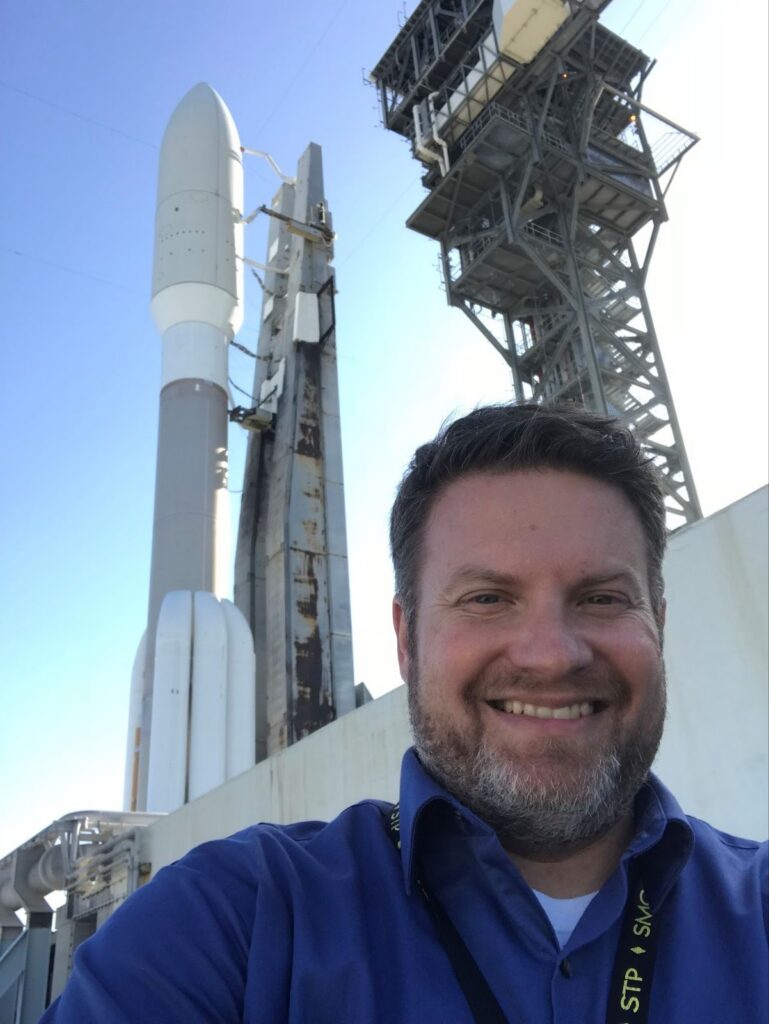
Mr. Stanley Straight is the Vice President for Spacecraft Engineering for BlackVe, Inc. He serves this innovative, new space startup as the lead engineering manager; bringing true full space system solutions to our outstanding customers. Previously, he held many positions within the US government as a Civil Servant, a Reserve USAF Officer and an Active Duty USAF officer. Most recently he served as the Technical Director for the Innovation and Prototyping Acquisition Delta, Space and Missiles System Center at Kirtland Air Force Base, New Mexico. He oversaw Delta integration initiatives and is responsible for the strategic vision implementation and direction on behalf of the Director. In addition to managing and supervising an AFRL branch and an USSF branch, he has directly performed engineering and program management duties for 6 distinct satellite programs, including the Student Nitric Oxide Explorer (SNOE), Tactical Satellite-2 (TacSat-2), Tactical Satellite-3 (TacSat-3), Demonstration and Science Experiment (DSX), Operationally Responsive Space-1 (ORS-1), and EELV Augmented GEO Laboratory Experiment (EAGLE). He has served as the Technical Director for the Innovation Prototyping Directorate, Space and Missile Systems Center overseeing 80+ programs/projects. He has also served as the Chief Engineer for the Integrated Experiments and Evaluation Division for the Air Force Research Laboratory overseeing the technical execution of 28 space programs.
Mr. Straight retired from the Reserves in 2019 after completing 22 years of military service. Mr. Straight started his military career when he was commissioned from the University of Colorado-Boulder ROTC program in 1998. He has served as an IMA at the 25 th Space Range Squadron as well as the Individual Mobilization Augmentee to the Director, Space Test Program. He has authored and co-authored 10 papers primarily on space systems engineering and orbital dynamics.
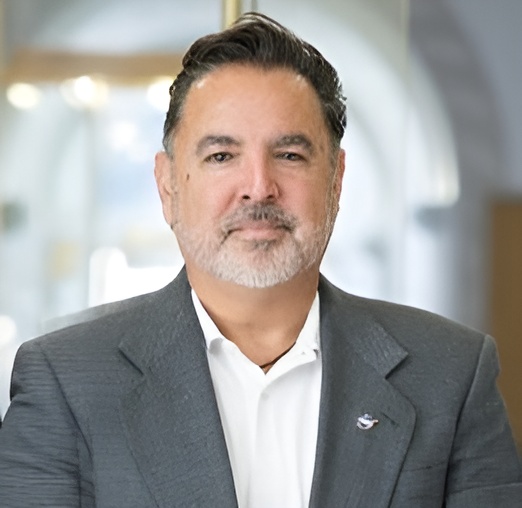
Walt Ugalde serves as the Technology Transfer Entrepreneurial & Industry Engagement Lead at NASA’s Johnson Space Center (JSC). Operating within the Business Development & Technology Integration Office, Walt acts as a strategic bridge between NASA’s vast portfolio of early-stage innovations and the private sector. His work is centered on accelerating commercialization, stimulating regional economic growth, and fortifying the burgeoning commercial space ecosystem.
With a diverse NASA tenure spanning the International Space Station Program, Center Operations, and the Space Technology Mission Directorate, Walt pairs deep institutional knowledge with a versatile background in the private sector—including Architecture, Urban Planning, and the Motion Picture Industry. This multidisciplinary expertise allows him to uniquely align federal ingenuity with commercial market needs.

Major Whitney Hessler is the Spark Branch Chief for SpaceWERX. In this role, she partners with program offices and warfighters in order to execute the Space Force’s $500M annual Small Business Innovative Research and Tech Transfer budget. Her branch manages key partnerships, attends industry events to educate and promote small business participation, and aid portfolio companies in Joint Exercise participation. In addition, the Spark Branch executes SpaceWERX Challenge and Velocity events which increases small business participation in Specific Topic solicitations, delivers more capability to program offices, and ultimately transitions more technology to the warfighter.
Previously, Maj Hessler was the executive officer for the Space Delta 4 Commander aiding leadership in executing the Missile Warning and Missile Tracking missions supporting US Space Command. Prior to the EO position, Maj Hessler led the Delta 4 Combat Development Team as a Supra Coder, delivering tailor made software to operators expanding their operational capacity. In addition, she stood up the S3 staff function in support of the newly established Delta providing key operational insights to Delta and S4S Leadership.
Maj Hessler has also supported the Space Domain Awareness mission as the Deputy Flight Commander of Weapons and Tactics at the Upgraded Early Warning Radar located at Cape Cod Space Force Base, MA.